
The City of Pitt Meadows has officially adopted its first Accessibility Plan, marking an important step toward building a more inclusive and accessible community for everyone.
The Accessibility Plan outlines actions to remove and prevent barriers for anyone—of all abilities—who lives in, works for, or spends time in Pitt Meadows. This plan enables the City to meet the requirements of the Accessible British Columbia Act (“the Act”), which came into effect in June 2021, and guides the City’s ongoing accessibility improvements across services, facilities and workplaces.
The plan was developed with input from residents, local organizations, and City staff through surveys, in-person roundtables, community walkabouts, and more. This feedback helped identify key priority areas and actions to make Pitt Meadows more accessible and inclusive. Explore these priority areas and actions below, or read the full document. A plain text version of the Accessibility Plan is also available for those who use screen readers or require an accessible format.
View the Accessibility Plan
Priority 1: Outdoor Spaces
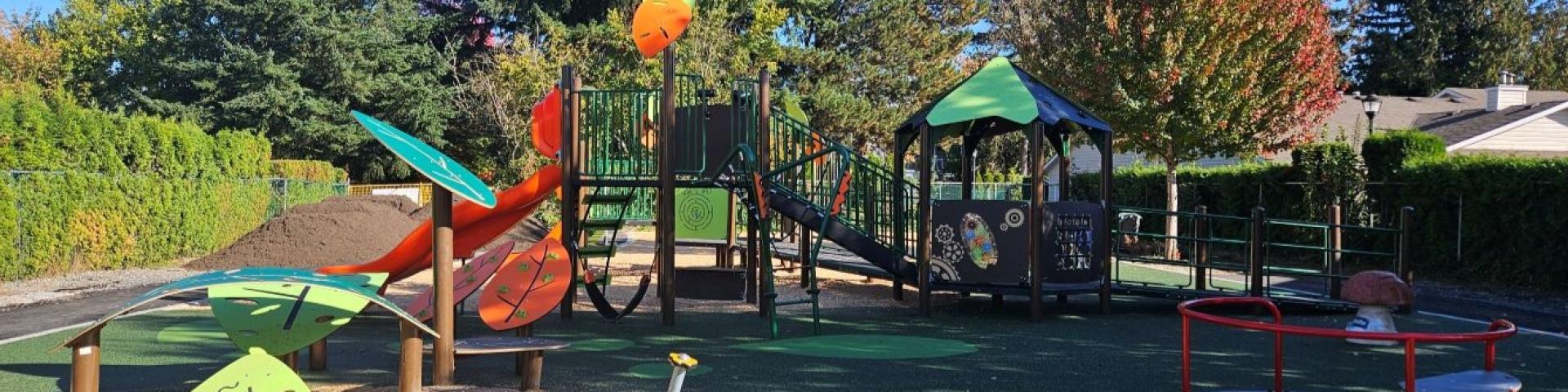
Design or update buildings, facilities, parks, and trails so that people living with different types of disabilities can access them safely and easily.
Priority 2: Transportation
Increase or add transportation accessibility features to support travel throughout the City for daily activities, work, socialization, learning, recreation, and entertainment.
Priority 3: Service Delivery
Develop and implement accessible policies and practices for community programs, activities, events, and emergency services.
Priority 4: Information and Communications
Use accessible communications tools and practices so people living with different types of disabilities can better receive and understand information.
Priority 5: Employment
Expand understanding of accessibility policies, resources, and supports for City employees.
Provide Feedback
Options for community members and employees to contact the City about accessibility barriers:
- In person: Pitt Meadows City Hall (Monday to Friday, 8:30 a.m. - 4:30 p.m.)
- Phone: 604-465-5454
- Email: info@pittmeadows.ca
The City may explore additional accessibility features such as Video Relay Service (VRS) for people who are deaf, hard of hearing, or speech-impaired, and Braille for people who are visually impaired or blind.
Notice of Collection: This collection of personal information is authorized by section 26 of the Freedom of Information and Protection of Privacy Act (FIPPA). The information you provide will only be used to address or respond to your accessibility request, or for a use consistent with that purpose. Questions can be directed to: Privacy Officer, 604-465-5454, or clerks@pittmeadows.ca.